Custom Software, Web Applications
and AI for Business

LighTecHouse is a software development company helping businesses turn practical problems into useful digital products. We develop custom business software, browser-based applications, SaaS platforms and AI automation for businesses in the United States, Canada and worldwide.

Your project might start with a spreadsheet that has become difficult to manage, a subscription product you want to launch, or incoming calls your team struggles to answer. The starting point is the same: understand the people, the workflow and the result the software needs to support.

Discuss your project or explore our work.

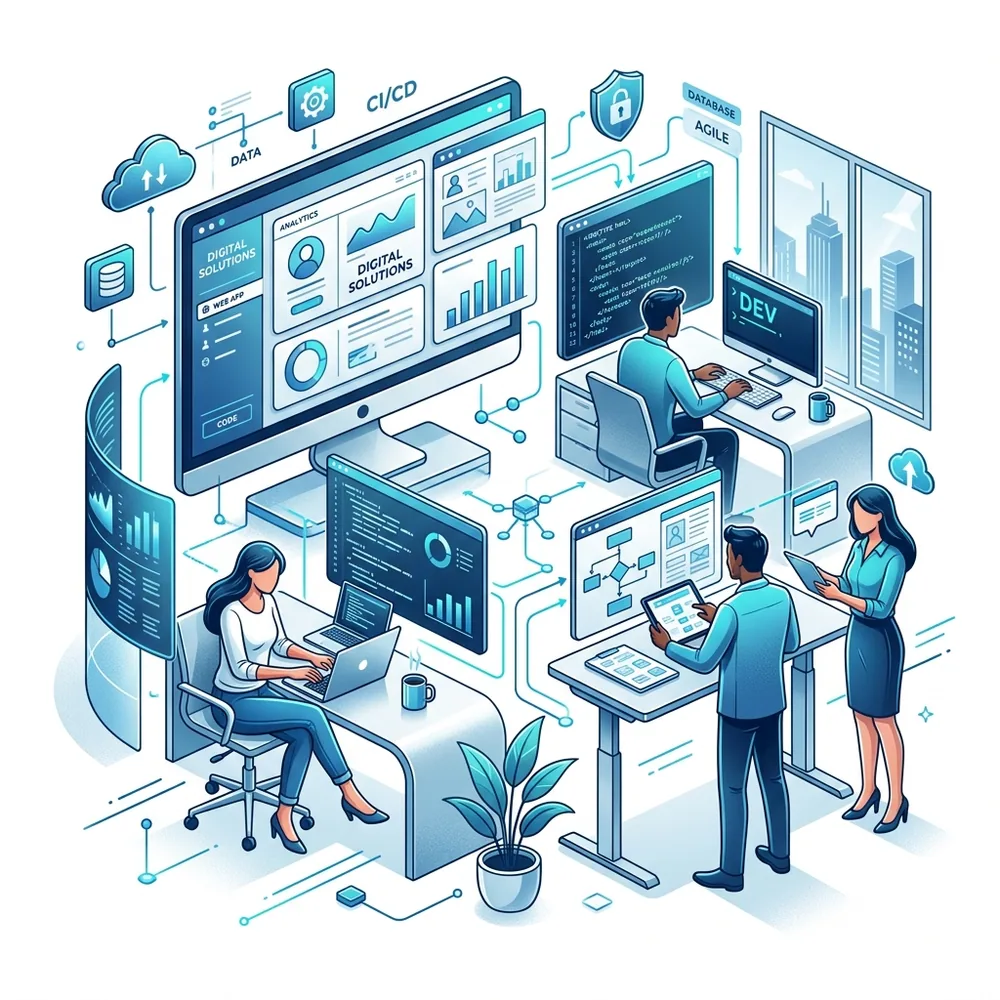
LighTecHouse Custom Software Engineering Architecture
TailoredArchitecture
AgreedMilestones

Software Built Around the Way Your Business Works

Disconnected tools often create work that customers never see. Someone copies an enquiry into a CRM, checks a separate calendar, sends a confirmation and updates another spreadsheet. Each step may be simple, but the complete process can become slow and difficult to track.

Custom development gives you a way to connect those steps and decide how exceptions should work. It can also create something entirely new: a customer portal, an online service or a subscription platform. The right investment depends on what your users need and whether an existing product already solves the problem well.

We help you identify the part that needs engineering before turning a broad idea into a feature list. A useful first release has a clear purpose, defined users and a practical way to judge whether it works.

Explore Our Software Development Services

Web Application Development ServicesWeb Apps

Web Application Development Services

High-performance web application development services engineered with Next.js, React, and Node.js for speed, security, and user engagement.

Solves: Slow, legacy, or unresponsive web portals that fail to engage visitors, lack scalable API architectures, or degrade under high user loads.
Explore Service
Custom Software Development ServicesCustom Software

Custom Software Development Services

Tailored B2B software engineering, operational workflow automation, and custom management platforms built around your specific business requirements.

Solves: Off-the-shelf software tools that restrict operational flexibility, lock business data in isolated silos, or force recurring per-user licensing fees.
Explore Service
SaaS Product Development ServicesSaaS Platform

SaaS Product Development Services

End-to-end SaaS product engineering — multi-tenant cloud architecture, subscription billing integrations, user management, and scalable SaaS dashboards.

Solves: Founders and growing businesses struggling to transform software ideas into scalable, multi-tenant subscription products with reliable payment and user infrastructure.
Explore Service
AI Development & Business Automation ServicesAI Agents

AI Development & Business Automation Services

Custom AI agent development, automated Voice AI phone receptionists, and business process automations tailored to operational bottlenecks.

Solves: Lost revenue from missed phone calls, expensive manual lead qualification, repetitive data entry, and underutilized business data silos.
Explore Service

Custom Business Software

Choose custom software development when your business needs a system shaped around a particular operational process. Examples include approvals, request management, internal reporting and workflows that cross several existing tools.

The main question is how the business should operate. Who starts the work? Who approves it? What information is needed, and what happens when something changes? Those decisions help define the application, its access rules and the integrations worth building.

Web Application Development

Choose web application development when people need to complete tasks through a browser. Customer portals, dashboards, booking interfaces and business websites belong here, with different requirements for each type of project.

Our technology focus includes Next.js and TypeScript. The choice of framework supports the build, while usability, permissions, accessible interactions and appropriate performance targets determine how well the finished experience serves its users.

SaaS Product Development

Choose SaaS development when you are creating software that customers access as an ongoing service. Subscription products introduce questions about account structures, onboarding, billing, support and the relationship between pricing plans and access.

A focused minimum viable product helps you test a useful workflow before investing in every possible feature. The first release should make sense to customers on its own, while leaving room for the product to develop as you learn.

AI Development and Business Automation

Choose AI development and automation when you want software to assist with calls, document-based questions, lead intake or repetitive tasks between systems. Our focus includes voice AI, language-model integrations and connections to CRM and calendar tools.

Successful automation needs clear boundaries. Decide which tasks it may complete, which information it may use and when a person must take over. Testing and monitoring matter because an AI response can sound confident even when it needs correction.
Products and Client Projects

Prodentix — Dental Practice Management SoftwareLive SaaS

Prodentix — Dental Practice Management Software

LighTecHouse's own live dental practice management SaaS application, offered with a one-month trial and an advertised $19/month subscription.

View Case Study
VividNexus — Agency Business Website PlatformClient Website

VividNexus — Agency Business Website Platform

A live, published client website engineered for a digital agency, featuring responsive service presentation and inquiry journeys.

View Case Study
AI Voice Receptionist — Automated Phone Assistant ProductCommercial Product

AI Voice Receptionist — Automated Phone Assistant Product

A commercial product built for sale, focused on automated business call handling, routine inquiry workflows, and phone system integrations. Deployments unconfirmed.

View Case Study
Nannzy — Caregiver & Childcare SaaS PlatformClient Project

Nannzy — Caregiver & Childcare SaaS Platform

A client project in the caregiver and childcare SaaS category, designed for multi-user family and caregiver workflows. Launch status unspecified.

View Case Study

Our portfolio includes commercial products and client work. That distinction helps you understand what each example demonstrates and which questions to ask about a similar build.

AI Voice Receptionist is a product built for sale, focused on automated business call handling. It is relevant to conversations about routine enquiries, appointment workflows and connections between a phone system and other business tools. Explore the AI Voice Receptionist overview.

Prodentix is our own live SaaS application for dental practice management. It is available with a one-month trial and a subscription advertised at $19/month. Check the product's current offer and terms before subscribing. Explore Prodentix.

Nannzy is a client project in the caregiver and childcare SaaS category. It provides a relevant starting point for discussing platforms that bring different user groups and service workflows together. Explore the Nannzy overview.

VividNexus is a client website that is live and published. It belongs in our web delivery portfolio and is relevant to businesses considering a website project. Explore VividNexus.

Project descriptions and product availability are different from measured business results. When evaluating a development partner, ask about the specific work performed, the scope delivered and the evidence available for any claimed outcome.

Start With the Business Problem

A useful brief explains what is difficult today and what should become easier. You do not need to know the framework, database or hosting provider before contacting us. You do need a reasonable picture of the people who will use the software.

For an internal application, describe the current process and where it breaks down. For a SaaS product, explain who would pay and which problem the first release solves. For AI automation, identify a repetitive task and the situations that require human judgment.

Include the tools you already use and any deadline that affects the work. A launch connected to an event, contract or operational change should be discussed early, together with the consequences if scope needs to change.

A Clear Route From Discovery to Handover

01

Discovery

We analyze operational bottlenecks, business objectives, technical requirements, and core constraints.

02

Design

We craft clean, intuitive user interfaces and design resilient database schemas and API specifications.

03

Engineering

We develop custom software through iterative milestones, structured code reviews, and regular demonstrations.

04

Quality Assurance

Testing covering device compatibility, security best practices, and performance optimization.

05

Deployment

We configure production cloud infrastructure, CI/CD pipelines, SSL certificates, and execute launch setup.

06

Handover

We transfer documented deliverables, repository access, and deployment credentials, with support defined per Statement of Work.

Our software development process covers discovery, design, engineering, testing, deployment and handover. Each stage addresses a different source of uncertainty, from understanding the workflow to preparing the people who will operate the system.

Discovery establishes the problem, users and priorities. Design turns those priorities into screens and interactions. Engineering connects the interface to the business rules and services it needs. Testing checks agreed scenarios, including permissions and failure cases that a demonstration can overlook.

Deployment introduces practical questions about hosting, credentials, data and release readiness. Handover addresses documentation, repository access and responsibilities after launch. The actual deliverables, approvals and commercial terms should be set out in your project agreement.

Understand Ownership and Ongoing Costs

Code ownership matters, but the details matter too. Repository access, intellectual property transfer and handover arrangements are defined in the Statement of Work. Third-party services, open-source components and licensed assets can have their own terms.

Ask what your team will receive and what it will need to operate the software independently. That can include access to infrastructure accounts, configuration information and instructions for routine administration. Confirm these items before development begins.

Development is also only one part of the budget. Hosting, messaging, payment processing and AI usage can create recurring charges. Maintenance and future changes should be discussed separately so you can compare options using the likely cost of running the system.

Working With Businesses Across Different Time Zones

LighTecHouse serves businesses in the US, Canada and other markets. Read about LighTecHouse for more context. Remote collaboration works best when decisions, responsibilities and review points are clear. Tell us which time zone your team works in and who can approve changes.

Useful project records include the agreed scope, open questions, feedback and acceptance decisions. These help everyone understand the same version of the project, especially when several stakeholders contribute at different times. Meeting times and communication arrangements should be agreed for your engagement.

Questions About Working With LighTecHouse

Find straightforward answers about engaging LighTecHouse for your next software project.

Which Service Should I Choose?

Start with what you are trying to achieve. Operational workflows usually point toward custom software, browser-based experiences toward web applications, subscription products toward SaaS, and repetitive language or coordination tasks toward AI automation. Projects can combine these disciplines; our services guide explains the differences.

Do I Need a Complete Specification?

No. A description of the problem, users, existing tools and desired first outcome is a useful beginning. Examples of current forms, spreadsheets or customer requests can help explain the workflow. Share anonymized examples initially if the material contains sensitive information.

How Much Will Development Cost?

Cost depends on the workflow, integrations, user roles, data requirements and release scope. A small portal and a multi-tenant subscription platform require different work. Discuss priorities and constraints so the proposal can distinguish the first release from features that can wait.

How Long Does a Project Take?

A reliable schedule needs an agreed scope and a review of dependencies. Content readiness, third-party access, migration and stakeholder feedback can all affect delivery. Request a project-specific timeline rather than applying a general number of weeks to every build.

Can AI Handle Every Customer Interaction?

AI can assist with defined tasks, but it needs boundaries and a fallback. Unclear requests, unavailable services and sensitive situations require an appropriate response. Start with a limited workflow, evaluate representative examples and decide how people will review or take over the work.

How Do We Begin?

Send a short project overview, the tools involved and the result you want to achieve. Include a budget range or deadline if you have one. We can use that information to discuss fit and identify what needs clarification before a scope is agreed.

Tell Us What You Want to Build

Whether you are improving operations or creating a product for customers, begin with the problem that matters most. Discuss your project with LighTecHouse and explore a practical first step.

Send a Project Inquiry

Submit your requirements to receive a project evaluation.

TECHNICAL SCOPING & PROJECT INQUIRY

All fields are required except company and phone.

Estimated project budget (USD)

15–5,000 characters. Please do not include passwords or sensitive information.

+92 341 4915795